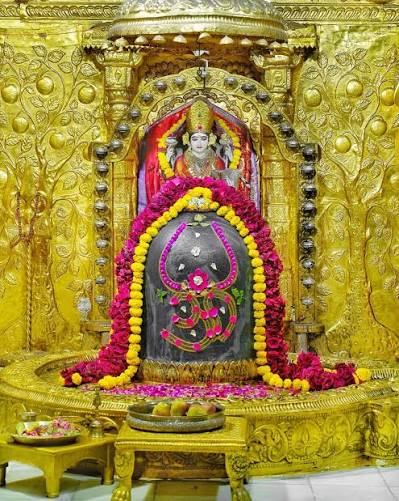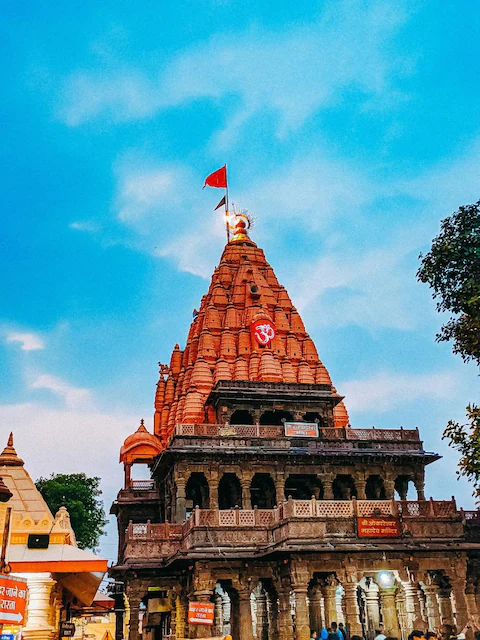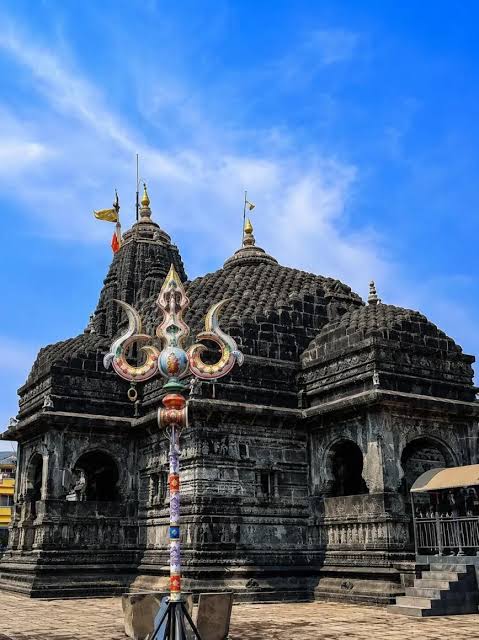
Bhimashankar Jyotirlinga Temple Guide 2026–2027Darshan Timings, Aarti, How to Reach, Travel Tips & Complete Yatra Information
A sacred journey into the Sahyadris. Plan your darshan, choose a comfortable route and leave a little time for the forest around this revered Shiva temple.
Plan Your Bhimashankar Yatra with TravelAajKal Check current darshan timings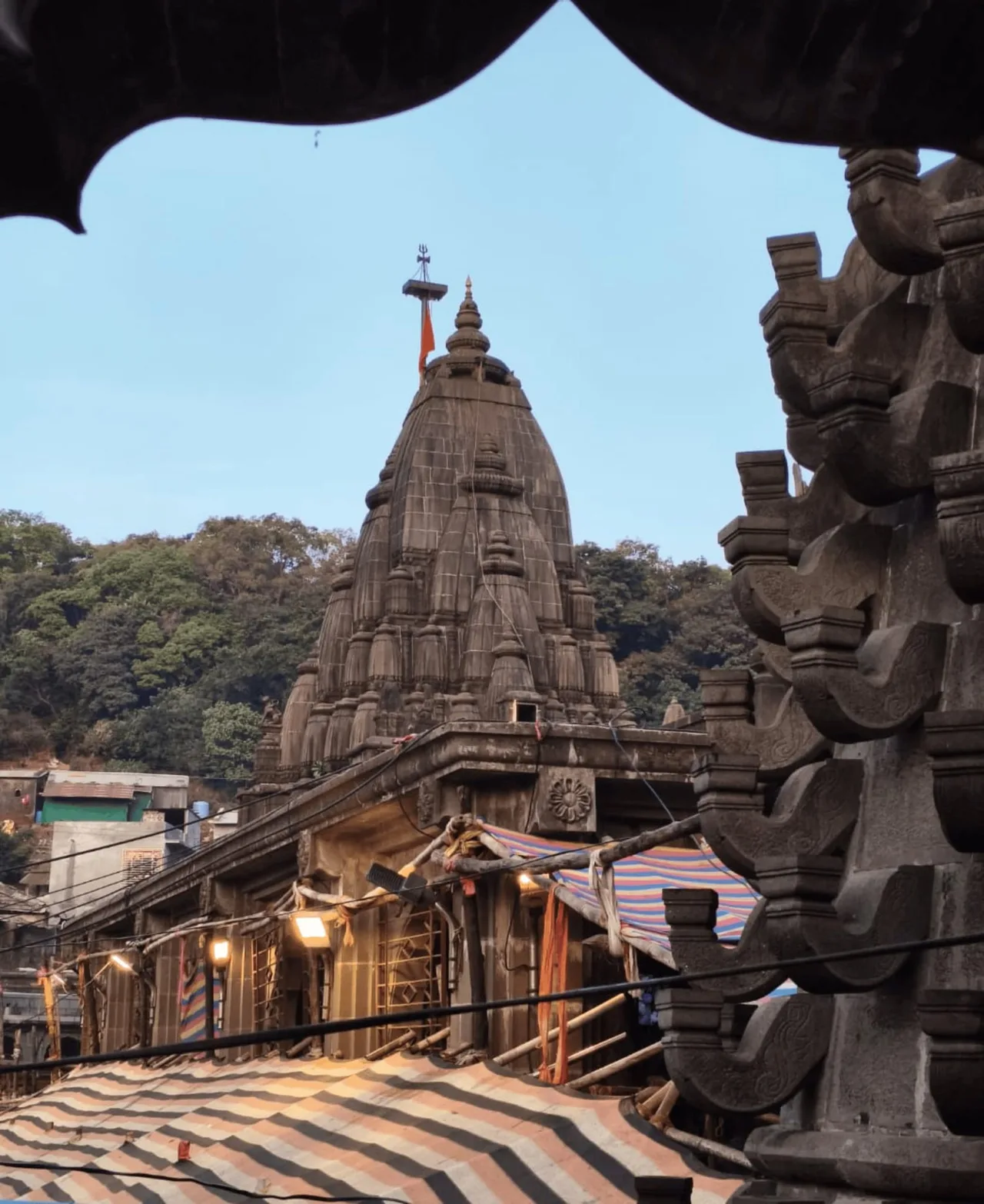
In this guide
Bhimashankar at a glance
The Bhimashankar Jyotirlinga Temple brings together devotion to Lord Shiva and a journey into Maharashtra’s hill country. Put darshan first, give the winding road enough time and choose nearby walks according to your group’s comfort.
- Sacred significance
- One of 12 Jyotirlingas
- Location
- Sahyadri Hills, Pune district
- From Pune
- Approx. 120–125 km
- From Mumbai
- Approx. 220–225 km
- Major rail access
- Pune / Karjat, by route
- Nearest airport
- Pune International Airport
- Ideal duration
- 1–2 days
- Best season
- October–February
Distances and journey times are approximate planning references, not verified live travel estimates. Actual routes vary by pickup point and conditions. Maharashtra Tourism overview
History and religious significance
Why this Jyotirlinga matters
Devotees revere Bhimashankar as one of the twelve Jyotirlingas, sacred manifestations of Lord Shiva. For many pilgrims, the visit is a time for prayer and reflection, whether it is a first darshan or part of a wider Jyotirlinga pilgrimage.
Living tradition and recorded history. The accounts below describe religious belief. They should be read separately from the temple’s architectural history.
The legends of Bhima and Tripurasura
One devotional account tells of Bhima, the son of Kumbhakarna, who persecuted a king devoted to Shiva. When Bhima threatened the Shiva linga, Shiva appeared to protect his devotee and overcame the demon. This is a sacred narrative about devotion and protection, rather than a dated historical event.
A separate tradition, recounted by the temple trust, connects the place with Shiva’s victory over Tripurasura and the assistance of Goddess Kamalaja. These are distinct tellings; Bhima and Tripurasura should not be presented as the same figure. Devotional accounts hosted by Kanchi Kamakoti · The trust’s Tripurasura narrative
Architecture and Hemadpanthi influences
The trust describes a temple combining older and later work, using Nagara and Hemadpanthi architectural terms, and associates later additions with Nana Phadnavis. Its carved stonework is part of the experience, alongside the living worship tradition. These descriptions do not establish a single construction date for the entire complex. Temple trust: architecture and background
The significance of the Bhima River
Bhimashankar is associated with the source of the Bhima River. Devotional stories connect the river’s origin with Shiva after battle; that sacred explanation is a matter of faith. Treat the river-source area with the same respect as the shrine, and check safe access before walking there.
Bhimashankar Temple darshan timings
The current published construction notice permits darshan only from 7:00 AM–11:00 AM. Build your travel day around that window and confirm the latest entry instructions with the trust.
Temple timings are subject to change due to construction, festivals and special religious occasions. Confirm the current schedule before travelling.
| Time (IST) | Published programme |
|---|---|
| 5:00 AM | Temple opens |
| 5:00–5:30 AM | Worship |
| 5:30 AM–12:00 PM | Darshan and Abhishekam |
| 12:00–12:20 PM | Naivedyam Puja |
| 12:20–2:45 PM | Darshan and Abhishekam |
| 2:45–3:20 PM | Worship |
| 3:20–7:30 PM | Dev Darshan |
| 7:30–8:00 PM | Worship |
| 8:00–9:30 PM | Dev Darshan |
| 9:30 PM | Temple closes |
Last checked . View the official schedule and notice. Queue admission can close before a published end time; confirm locally.
Aarti, Abhishekam and festival visits
Morning and evening worship
The regular daily programme lists worship periods in the morning, afternoon and evening. It does not separately label each period as a daily aarti appointment. Exact morning and evening aarti participation during construction is not confirmed here; contact the trust for your visit date.
Planning an Abhishekam
Abhishekam is included in the regular timetable. Ask the trust whether visitors may participate during the restricted window, whether advance arrangements are required, and which offerings are permitted. Confirm any charges directly. Do not assume the regular ritual programme guarantees a visitor slot.
Mondays, Shravan and Maha Shivratri
Mondays are important in Shiva worship; Shravan and Maha Shivratri draw particular devotional interest. Plan extra time for crowds, security and road controls, and ask whether a special worship programme affects general darshan. The official website publishes festival programmes, but a festival worship entry does not by itself confirm access during a temporary restriction. Official worship programme
If you are travelling with children or older relatives, choose fewer activities and longer breaks. A quiet overnight stay can be more useful than adding another distant shrine to an already full day. Explore Shiva pilgrimage journeys if you prefer a longer, carefully paced route.
How to reach Bhimashankar
Choose transport around the confirmed darshan window, the comfort of your group and the complete road approach. All distances and drive times below are approximate; no live traffic feed is connected to this guide.
Bhimashankar from Pune
Approx. 120–125 km · 3–4 hours by roadPune → Chakan → Manchar → Bhimashankar
A pre-arranged cab gives families control over pickup, rest stops and the return journey. The distance depends on where in Pune you start; the journey estimate excludes a long breakfast stop, parking and the walk to the queue. Check navigation before departure and allow a separate buffer for darshan.
The final approach includes winding ghat roads. Use an experienced hill-road driver, slow down at bends and avoid overtaking on blind corners. Fog, rain, roadworks and festival traffic can add substantial time. If an early departure would mean driving while tired, stay closer to the temple the previous night.
Bhimashankar from Mumbai
Approx. 220–225 km · 5–6 hours by roadMumbai → Mumbai–Pune Expressway → Talegaon → Chakan → Manchar → Bhimashankar
This is a suggested road approach, subject to your Mumbai pickup point, suitable expressway exits and current navigation. Cross-city travel, toll queues and stops can extend the trip. The kilometres and hours here are broad planning estimates, not a measured live route.
With restricted morning darshan, an overnight stay near Bhimashankar is usually easier to plan than a very long same-day return. Agree on the road route with your driver: a map showing a short approach from Karjat or Khandas may involve a trek rather than a drive to the temple.
Bhimashankar from Nashik
Check a current road estimate before bookingNashik → Sangamner → Narayangaon → Manchar → Bhimashankar
Plan the road approach via Manchar and verify the complete route from your pickup address. Allow a substantial travel day with meal and rest stops rather than treating this as a short temple transfer. No live distance or drive time has been verified for this guide.
For the current morning-only darshan window, consider arriving in the region the previous evening. If combining Trimbakeshwar and Bhimashankar, keep separate darshan buffers and confirm both temples’ schedules before fixing accommodation.
By Maharashtra State Transport bus
Maharashtra Tourism mentions state transport services from Pune. Verify the current MSRTC service, boarding point, operating day, duration and return connection with the departure depot or official MSRTC channels. No departure times are quoted here. Do not assume a bus arrives early enough for restricted darshan without checking the complete journey.
By train: Pune and Karjat access
There is no railway station at the temple. Pune Junction is a practical major gateway for an onward road transfer. Karjat can be considered according to your starting point, but confirm the full taxi route and travel time. The Khandas trekking approach is a separate mountain outing, unsuitable as an assumed last-mile transfer for families or senior citizens.
By air: Pune International Airport
Fly into Pune International Airport and arrange a taxi or road transfer. Allow for baggage collection, city traffic, meals and the hill drive. For a late arrival, stay overnight and travel with a rested driver instead of relying on a tight connection to morning darshan.
Pune to Bhimashankar directionsOpening directions shows the map provider’s current route estimate. Recheck it near departure and confirm that the selected route is suitable for your vehicle.
One-day Bhimashankar yatra itinerary
Sample only, not a guaranteed schedule. This plan assumes darshan is permitted within 7:00 AM–11:00 AM. Adjust departure for your Pune pickup point, traffic and the confirmed temple timings. For long queues or a demanding drive, arrive in the region the previous evening.
- Very early morning
Leave Pune with a generous buffer
An illustrative 3:00–3:30 AM start may allow a 3–4-hour drive and time for parking and walking, but does not guarantee arrival or entry. Confirm with your driver; do not sacrifice rest or safe driving to meet a narrow window.
- On arrival, before the cutoff
Make darshan your first stop
Aim to reach the queue near the start of the 7:00 AM–11:00 AM window. Follow the current construction route and staff instructions. Skip sightseeing if it would put darshan at risk.
- After darshan
A short, optional local visit
Rest first, then consider an easy nearby shrine or a short authorised walk if the weather and your group’s mobility allow. Gupt Bhimashankar or Nagphani needs additional time and suitable conditions; neither is an essential one-day stop.
- Lunch & the return
Eat, rest and drive back to Pune
Choose a vegetarian meal, allow the driver a break and start the return with daylight to spare for the ghat section. Keep your evening flexible for traffic rather than promising a fixed return time.
A two-day Bhimashankar trip
Pune, darshan & a local stay
Depart early enough for the confirmed morning darshan window. Visit the temple before sightseeing, have lunch and check into pre-booked accommodation near Bhimashankar. Keep the afternoon light, with a short local visit only if access is safe. Rest overnight.
If your planned departure cannot meet the current window, arrive the previous evening or move darshan to the next confirmed morning; do not assume afternoon entry.
Nature, nearby places & return
After breakfast, choose one permitted nature walk or a nearby attraction appropriate to the group. Check forest access and weather, arrange guidance where needed and keep enough time for checkout, lunch and the return to Pune.
Do not try to cover all six attractions. A lake visit or a gentle outing may suit your family better than an exposed hill climb. Leave the ghats before poor visibility or fatigue becomes a concern.
Nearby places to visit
Choose these as optional outings. Durations are editorial planning suggestions, not measured or guided-tour commitments. Only distances explicitly attributed to the temple trust are included; verify the route, access and conditions locally.
Gupt Bhimashankar
A forest shrine associated with a stream and a naturally worshipped Shiva-linga setting.
Approx. 2 km from the main temple on foot; temple trust reference.
Time to allow: Suggested allowance: 2–3 hours for the outing, depending on the trail and pace.
Access & safety: Uneven ground and stream crossings; arrange local guidance. Avoid high water, heavy rain and low visibility. This walk may be unsuitable for visitors with limited mobility.
Official backgroundBhimashankar Wildlife Sanctuary
The forest surrounding the pilgrimage landscape offers a chance to appreciate the Sahyadris’ biodiversity.
The temple is in the sanctuary landscape; distance varies by authorised trail.
Time to allow: Suggested allowance: 1–3 hours for a short permitted nature outing.
Access & safety: Ask forest officials about permitted paths, entry rules and guides. Stay on authorised routes, keep quiet and never feed wildlife. Sightings are not guaranteed.
Official backgroundHanuman Lake
A wooded lake area with Hanuman and Anjani Mata shrines, listed by the temple trust.
Approx. 2 km from the main temple; temple trust reference.
Time to allow: Suggested allowance: 45–60 minutes at the lake, plus the approach and return.
Access & safety: Check the walking surface locally. Mud, slippery edges and uneven approaches can limit access. Keep away from deep water and supervise children closely.
Official backgroundNagphani Point
A hill viewpoint overlooking the Konkan side, also called Nagfani in the trust’s guide.
Approx. 500 m beyond Hanuman Lake, according to the trust; not from the temple.
Time to allow: Suggested allowance: 1–2 hours from the lake and back, adjusted to conditions.
Access & safety: A hill climb with exposed terrain. Stay well back from edges; skip it in strong wind, mist or rain. It is not an accessible promenade or a routine senior-citizen stop.
Official backgroundAhupe Waterfalls
A seasonal waterfall outing in the wider Ahupe area, requiring a separately checked local route.
Distance and current visitor access have not been verified.
Time to allow: Reserve a separate half-day only after a local guide confirms the route; this is a planning suggestion.
Access & safety: Do not add it as a guaranteed stop. Confirm the precise location, permissions and weather with local authorities. Avoid floodwater, stream crossings and cliff edges.
Bhorgiri Fort
A fort outing near Bhorgiri, mentioned by Maharashtra Tourism as an excursion in the region.
A reliable temple-to-fort road or walking distance has not been verified.
Time to allow: Suggested allowance: 2–3 hours at the site and approach, plus any road transfer.
Access & safety: Confirm the trail and access locally. Expect uneven rock and climbing; wet surfaces can be hazardous. Arrange a guide and avoid squeezing it into a rushed darshan day.
Official backgroundBest time to visit Bhimashankar
Winter
Preferred for a first visitPlan for cooler mornings and generally more comfortable walking. Carry a light warm layer and still check the forecast. Weekdays outside public holidays can make travel easier; Mondays and festival dates need extra queue and road buffers.
Monsoon
Green hills, changing accessRain brings mist and lush scenery, but also slippery steps, reduced road visibility and unsafe stream crossings. Check local road and forest advisories. Keep trekking optional and avoid waterfalls during heavy rain; open temple access does not mean every trail is open.
Summer
Start early & carry waterExpect warmer daytime conditions and plan shade, water and rest breaks. Do not assume the hill setting will stay cool throughout the day. School holidays and weekends can still be busy, while an unhurried weekday visit may suit families better.
For families and senior citizens, October–February is a sensible starting point for planning, subject to the forecast and current temple access. Confirm festival dates with the trust and keep transport and accommodation flexible when conditions are uncertain.
Bhimashankar accommodation and food
Choosing where to stay
Look into temple-area lodging, budget guesthouses and hotels or homestays in the surrounding region. Ask the trust directly about any trust-managed accommodation and its booking process. Check the property’s actual road location and the morning transfer to the temple, rather than relying on a listing that simply says “near Bhimashankar”.
Before paying, confirm the room, bathroom, hot water, steps, meals, parking and cancellation terms. Families and senior citizens should ask for a room that suits their mobility and an early breakfast or packed meal if required. Book ahead for weekends, Shravan and Maha Shivratri; no hotel name, price or availability is guaranteed in this guide.
Vegetarian meals and practical food planning
Check locally for simple vegetarian meals, tea and snacks around your stay and temple approach. Food outlets’ hours can change, so confirm early breakfast and late meal arrangements with your host. Carry drinking water and a small snack for the road, especially for children or anyone who needs to eat with medication. Follow the temple’s rules on food inside the premises.
Temple rules and travel tips
- Respect temple traditions, queue instructions and the guidance of trust staff. Ask before taking photographs; do not assume photography inside the shrine is allowed.
- Wear modest, comfortable clothing. Use shoes with good grip for the approach, and leave footwear only in designated areas before entering the temple.
- Carry a modest amount of cash, drinking water, essential medicines and a charged phone. Keep valuables secure and bring your own refillable bottle.
- Senior citizens should plan for stairs, walking and standing. Construction may alter the approach. Ask the trust about the current route and any assistance before booking; step-free access is not confirmed.
- Check the weather and road conditions before departure. Use an experienced driver in the ghats and keep extra time for rain, fog and traffic.
- Avoid littering, keep plastic and food waste out of the forest, and do not feed or disturb wildlife. Follow forest restrictions even when a trail appears open.
- During Shravan, Mondays and Maha Shivratri, follow official crowd and parking arrangements. Agree on a family meeting point and keep children close.
- Confirm the darshan window again shortly before leaving. Allow time for parking, the walk and the queue; reaching the area before closing does not guarantee entry.
Temple and local-authority instructions on the day take priority. Read the trust’s visitor guidance
Frequently asked questions
Where is Bhimashankar Jyotirlinga located?
Bhimashankar Jyotirlinga Temple is in the Sahyadri Hills in Pune district, Maharashtra, within the Bhimashankar forest landscape.
How many kilometres is Bhimashankar from Pune?
Allow approximately 120–125 km by road as a broad planning reference. The actual distance depends on your pickup point and chosen route; check current navigation before departure.
How far is Bhimashankar from Mumbai?
The broad reference is approximately 220–225 km, with a suggested 5–6-hour road allowance before extended stops or delays. Your Mumbai starting point and road route can change both figures substantially.
What are the current Bhimashankar darshan timings?
The official trust’s construction notice, checked on 16 November 2026, limits darshan to 7:00 AM–11:00 AM. It concerns the Sabhamandap and temple stairs. Reconfirm with the trust before travelling.
What is the normal Bhimashankar Temple opening time?
The regular published schedule lists a 5:00 AM opening and 9:30 PM closing. These are reference hours and do not override a temporary restriction or festival notice.
What are the morning and evening aarti timings?
The regular daily table labels 5:00–5:30 AM and 7:30–8:00 PM as worship, not separately confirmed daily aarti appointments. The trust also publishes festival programmes. Ask it for the exact aarti and visitor-access arrangements for your date, especially during construction.
Is online darshan booking compulsory?
A compulsory online darshan booking requirement has not been verified from the official information reviewed. Contact the temple trust for current registration or booking instructions. This guide does not provide an unverified booking link.
Is there a VIP darshan facility at Bhimashankar?
A current official VIP or paid priority-darshan facility has not been verified. Ask the trust directly; do not treat a third-party promise as an official pass or guaranteed entry.
How much time is required for darshan?
There is no verified fixed queue duration. Allow extra time for parking, walking, security and waiting, with a larger buffer on Mondays and festivals. Confirm admission cutoffs; reaching the queue near closing may be too late.
Can we complete Bhimashankar in one day from Pune?
A one-day trip can be planned with an early start, a confirmed darshan appointment or entry arrangement if required, and limited sightseeing. While the temporary notice is active, plan darshan within 7:00 AM–11:00 AM. A previous-night stay offers more buffer if the drive or queues are uncertain.
Is Bhimashankar suitable for senior citizens?
A visit needs individual planning because stairs, uneven surfaces, standing and construction diversions can be tiring. Check the present approach and assistance with the trust. Choose comfortable transport, allow rest and do not assume wheelchair or step-free access.
Are accommodation facilities available near Bhimashankar?
Look for temple-area lodging, budget guesthouses and nearby hotels or homestays. Confirm availability directly, including bathroom access, steps, meals and your departure time. No room prices or live availability have been verified for this guide.
Which is the nearest railway station for Bhimashankar?
Pune Junction is the practical major rail gateway for the road itinerary in this guide. Karjat may suit some starting points, but confirm the complete onward road transfer. A Karjat–Khandas trek is not equivalent to a direct temple road connection. There is no railway station at the temple.
Which is the nearest airport to Bhimashankar?
Pune International Airport is the recommended nearest major airport gateway. Arrange an onward taxi or road transfer and allow for the journey, rest and darshan restrictions rather than relying on an arrival-day connection.
What is the best month to visit Bhimashankar?
October to February is a useful first-visit planning window for more comfortable travel. Choose a date after checking weather, holidays and temple notices; no month guarantees short queues or uninterrupted road access.
Is Bhimashankar open during monsoon?
Do not assume continuous access. Check the trust’s temple notice and local weather, road and forest advisories for your exact date. Temple access, forest trails and waterfall access can have different restrictions during heavy rain.
Can we perform Abhishekam at Bhimashankar?
Abhishekam appears in the regular published programme. Current participation, slots, permitted offerings and any charges during construction must be confirmed with the trust. No ritual price or guaranteed slot is quoted here.
What are the nearby tourist attractions?
Options include Gupt Bhimashankar, the wildlife sanctuary, Hanuman Lake, Nagphani Point, Bhorgiri Fort and a separately verified Ahupe waterfall outing. Choose according to fitness, daylight, permissions and weather; they are not all accessible or suitable for every family.
Is parking available near Bhimashankar Temple?
Confirm the operating parking area, charges, vehicle restrictions and walk to the temple with local authorities or your driver. Construction and festival traffic can change drop-off and parking arrangements. No current parking location or fee is guaranteed here.
What should we carry during the Bhimashankar yatra?
Carry drinking water, essential medicines, modest clothing, good-grip footwear, a charged phone, some cash and weather protection. Keep booking details available, pack light for the stairs and take all rubbish back with you.
For unconfirmed booking, VIP access, ritual participation or accessibility details, contact the official temple trust.
Planning Your Bhimashankar Jyotirlinga Yatra?
Let TravelAajKal help you organise a comfortable pilgrimage, with time for devotion and a pace that works for your family.
- Pune to Bhimashankar cab
- Mumbai to Bhimashankar cab
- Family pilgrimage packages
- Customised Jyotirlinga tours
- Multi-Jyotirlinga pilgrimage packages
- Hotel and transportation assistance
Sources and last verification
Temple information was checked on . This is an editorial guide, not a live temple, transport or accommodation feed. Use the official sources below to reconfirm time-sensitive arrangements.
- Temple trust: current notice, regular timetable and worship programme
- Temple trust: official contact details
- Temple trust: architecture and religious background
- Temple trust: Tripurasura tradition
- Temple trust: nearby places and reference distances
- Maharashtra Tourism: Bhimashankar travel overview
- Maharashtra Tourism: temple and regional attractions
- Kanchi Kamakoti: devotional Jyotirlinga accounts (PDF)
Still to confirm for your dates: darshan admission cutoff, aarti access, Abhishekam arrangements, online or priority entry rules, step-free assistance, bus departures, parking, room availability and trail permissions. Ahupe waterfall distance and current visitor access are unverified.