
Mahashivratri 2027: Best Shiva Temples and Jyotirlingas to Visit in India
Choose a Shiva temple or Jyotirlinga for Mahashivratri 2027 and plan around official festival schedules, crowds, transport and accommodation.
9 min read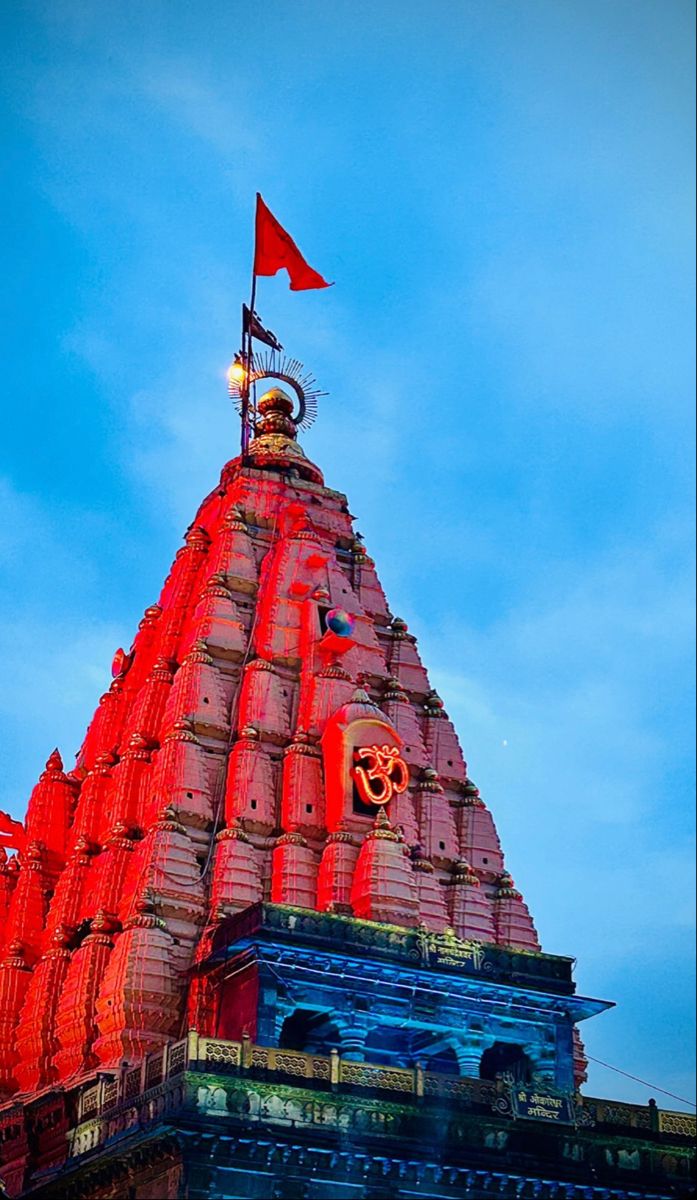
Plan the festival date and temple schedule first
Mahashivratri follows the Hindu lunar calendar, so verify the 2027 observance date and local festival schedule with the temple or a trusted regional panchang before booking. Temple opening hours, special puja, queue systems, access restrictions and visitor services can differ from an ordinary day and may be announced closer to the event.
Do not assume that general darshan is available in the same way during the festival. Check official temple and district notices, follow security instructions and use only authorised booking channels for any service that requires a reservation.
Ujjain: Mahakaleshwar Jyotirlinga
Ujjain is a natural choice for devotees who want to experience Mahakaleshwar during the Shiva festival. The temple, Mahakal Lok and the wider city draw many pilgrims, so accommodation, transport and entry plans should be arranged early. Keep the itinerary simple and confirm which routes or areas may be restricted.
Special worship such as Bhasma Aarti follows separate availability and instructions. Do not assume a festival visit includes access to a special service. Use the official temple website for booking notices and arrive at the reporting point stated on your confirmation.
Varanasi: Kashi Vishwanath
Kashi Vishwanath offers a festival visit in the sacred setting of Varanasi. Plan for busy lanes, security procedures and a large number of pilgrims. Choose accommodation based on current access guidance rather than relying only on map distance, and allow time to walk from vehicle drop-off points.
The Ganga riverfront and nearby sacred places can add depth to a longer stay, but check local event arrangements before scheduling an evening visit. Keep valuables secure, agree a meeting point with your group and follow instructions from temple and city authorities.
Other Jyotirlingas for Mahashivratri
Omkareshwar in Madhya Pradesh is a Narmada-side pilgrimage where the island approach, temple queues and local transfers need time. Somnath in Gujarat combines Shiva worship with a coastal setting, while Trimbakeshwar and Bhimashankar offer different Maharashtra pilgrimage landscapes.
Rameshwaram, Mallikarjuna at Srisailam, Grishneshwar, Nageshwar, Vaidyanath and Kedarnath are also part of the traditional twelve-shrine circuit. For Kedarnath, seasonal opening is crucial: Mahashivratri falls outside the usual main pilgrimage season in many years, so verify temple status and do not plan access without official confirmation.
Choosing the right destination for your group
Choose a site based on travel time, mobility, available accommodation and the type of experience you want. A city temple may offer more hotel and transport options but have dense festival crowds. A remote or seasonal shrine may involve longer drives, limited services or weather constraints.
Families with older travellers or young children should consider walking distances, rest stops, toilet access and how long queues may last. If your group has accessibility or health needs, contact accommodation and local authorities ahead of time and have a backup plan.
Crowd, transport and accommodation tips
Book refundable accommodation where practical and confirm check-in times if you arrive late or travel overnight. Public transport may be crowded around the festival; check current schedules and station access. If using a private vehicle, ask about parking and designated drop-off points because normal routes may be restricted.
Carry water and essential medication where permitted, wear comfortable footwear and keep your phone charged. Leave extra time for security, road diversions and queues. Avoid tight onward connections, and share your itinerary and emergency contact information with someone at home.
Booking responsibly and spotting misinformation
Large events attract unofficial booking pages and forwarded messages that can look authoritative. Use government, district, railway, temple or event-authority sources linked through their recognised websites. Check the page address and publication date, and do not enter identity or payment details on a page you cannot verify.
Be careful with accommodation offers that demand a large advance payment without clear contact information, a confirmed address or written terms. Verify the provider directly and keep the receipt. If official temporary accommodation is announced, wait for the responsible authority to publish how allocation and payment work.
Keep a simple record of important updates: the official source, date checked and any action needed. Recheck the information a few weeks before departure and again shortly before arrival. This helps avoid making decisions from a schedule or map that has since been superseded.
Health, weather and family planning
A major gathering can involve long periods outdoors, walking and standing in heat or rain. Review forecasts and carry suitable clothing, drinking water where allowed, a sun cover or rain layer and necessary medication. Take regular breaks and know where your accommodation or a quieter resting place is located.
For an older traveller, a young child or someone with a medical condition, ask a healthcare professional whether the proposed travel is appropriate. Keep emergency contacts and relevant medical information with a trusted companion. Identify official help points when event authorities publish their locations.
Set expectations with your group before arriving. Agree on a meeting point, what to do if phones stop working and which plans can be skipped if the crowd is too dense. Flexibility and a calm pace are especially important when temporary traffic and crowd arrangements are in effect.
A day-by-day planning approach
Begin with the official event dates and identify whether your preferred activity falls on a high-demand day. Next, choose a transport arrival that gives you time to reach your stay without depending on an immediate connection. Only after the event route plan is published should you decide on local pickup and drop-off details.
Keep the main bathing or temple visit as the centre of one day and place sightseeing on a different day. Choose a hotel based on verified access and facilities, and check its distance from the designated transport route. Plan a second option in case your first choice is unavailable or the event authority changes access.
During your stay, follow daily notices rather than relying on a plan made at home. If crowd movement or weather changes, postpone optional visits and use the official help points. Leave time for rest, especially if you have travelled overnight or are staying outside Ujjain.
Choose your destination and book with care
For a first festival visit, select one principal temple and make it the anchor of the trip. Ujjain is a strong option for Mahakaleshwar, while Varanasi offers a distinct city and riverfront experience. Compare current access, transport and accommodation before deciding; popularity alone does not determine which location will suit your group.
Book only after checking the relevant temple’s current festival instructions. If a service requires online registration, use the official website and retain its confirmation. Keep hotel and transport reservations flexible where possible, since local procedures may be announced or revised closer to the event.
Avoid third-party claims that promise a special queue or guaranteed ritual access without a verifiable temple confirmation. Ask the temple or district authority directly when an offer is unclear. A confirmed ordinary hotel or cab reservation is not the same as a temple booking.
What to pack for a large pilgrimage gathering
Pack for long periods on foot and changing weather: comfortable shoes, a light layer, sun or rain protection and a small amount of water if permitted. Keep identification, accommodation details, essential medication and emergency numbers together. Avoid bulky luggage and items that may be restricted at security or bathing areas.
Carry a charged phone and a power bank only if allowed, but do not depend on mobile data for every instruction. Save maps and contacts offline and write down a meeting location. Keep cash and valuables secure, and use only official counters or providers for event-related services.
If someone in your group needs regular medication or assistance, plan how it will be carried and who will help. Check the latest official guidance about medical support and facilities once those details are published. Adapt the packing list to the confirmed rules rather than taking an item because it was recommended for a previous event.
Before you travel
- Confirm the 2027 date and local festival schedule with reliable current sources.
- Check official temple notices for entry, booking, queue and security rules.
- Reserve accommodation and transport early, with practical cancellation terms.
- Plan for crowds, walking, access restrictions and a flexible return journey.
- Check Kedarnath’s seasonal status before considering a visit.
Frequently asked questions
When is Mahashivratri in 2027?
Confirm the 2027 observance date with a trusted panchang and the temple you plan to visit. Local schedules and observance details should be checked before booking.
Which Jyotirlinga is best to visit for Mahashivratri?
Ujjain’s Mahakaleshwar is a popular choice, while Kashi Vishwanath, Omkareshwar and Somnath are other important options. Choose based on current access, travel time and your group’s needs.
Should I book a temple visit for Mahashivratri?
Check the temple’s official notices. Special services and festival entry may have separate booking or queue instructions that can change by location.
Is Kedarnath open for Mahashivratri?
Kedarnath has seasonal access. Verify the official opening period and route conditions for 2027 before making any travel arrangements.