
15 Best Pilgrimage Places to Visit in India in 2027
Explore fifteen celebrated pilgrimage destinations across India and choose a route that fits your interests, travel season and available time.
11 min read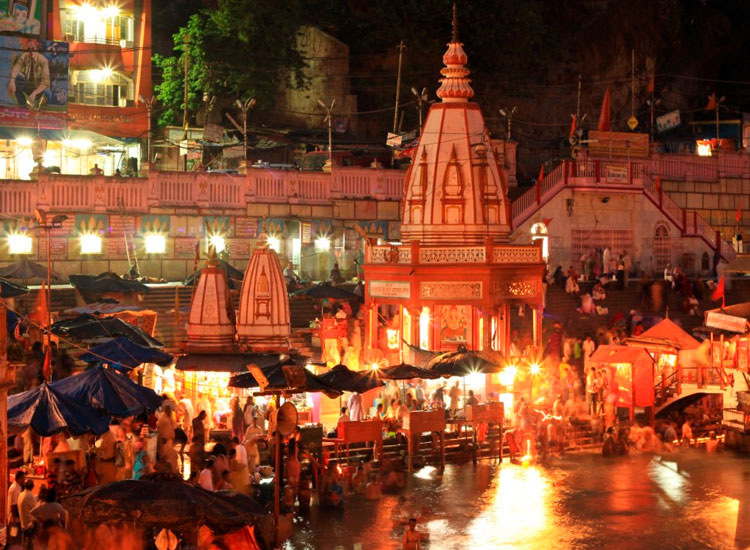
How to choose a pilgrimage destination
India’s pilgrimage destinations span mountains, river cities, coastlines and temple towns. The right trip depends on the tradition or shrine you want to experience, how many days you have, your group’s mobility and the season. Instead of collecting destinations into an overpacked itinerary, choose a region and build in rest, transport time and space for darshan.
Check official temple and district information before booking. Opening schedules, visitor procedures, registration, weather and festival crowds can change. A site that is straightforward for one traveller may require additional planning for someone travelling with children or older family members.
1–5: Iconic northern and Himalayan pilgrimages
Varanasi, Uttar Pradesh: Kashi Vishwanath, the Ganga riverfront and the city’s living traditions make Kashi a profound visit. Allow time for temple access, walking through busy lanes and a separate evening riverfront experience.
Ayodhya, Uttar Pradesh: Plan around Ram Mandir and selected sites such as Hanuman Garhi, Kanak Bhawan and the Saryu ghats. Confirm current visitor arrangements and allow extra time on festival dates.
Kedarnath, Uttarakhand: This Himalayan Jyotirlinga is a seasonal pilgrimage that demands careful preparation. Check official opening dates, registration, weather and route guidance; do not treat it as a casual day trip.
Haridwar, Uttarakhand: The Ganga ghats and established pilgrimage circuit make Haridwar a practical destination for a short spiritual visit. Check local event and crowd arrangements and plan transfers around busy periods.
Badrinath, Uttarakhand: Set in the Garhwal Himalaya, Badrinath is part of the Char Dham tradition. Confirm its seasonal access and current mountain-road advisories before planning a wider circuit.
6–10: Central and western India temple circuits
Ujjain, Madhya Pradesh: Mahakaleshwar Jyotirlinga, Mahakal Lok and the Shipra riverfront anchor a visit. Book special services only through official temple channels and leave room for queues.
Omkareshwar, Madhya Pradesh: Visit Omkar Mandhata on the Narmada and, when feasible, Mamleshwar Temple. The river island setting makes walking and local access part of the plan.
Somnath, Gujarat: The seaside Jyotirlinga at Prabhas Patan can be combined with nearby sacred places. Use current temple and transport information for your dates.
Dwarka, Gujarat: Dwarkadhish Temple and the coastal pilgrimage landscape make Dwarka a meaningful western route. Nageshwar is a separate nearby visit that needs its own transfer time.
Shirdi, Maharashtra: Sai Baba’s shrine welcomes pilgrims throughout the year. Check the trust’s current darshan and accommodation information and plan around peak dates.
11–15: Southern and eastern sacred destinations
Rameshwaram, Tamil Nadu: This island pilgrimage is associated with the Ramayana and one of the twelve Jyotirlingas. Confirm current temple and bathing-area guidance and allow time for the road or rail connection.
Tirupati, Andhra Pradesh: Sri Venkateswara Temple is one of India’s most visited pilgrimage sites. Use the official TTD services for darshan and accommodation information, and plan travel around the booking you actually secure.
Srisailam, Andhra Pradesh: Mallikarjuna Jyotirlinga and the Bhramaramba shrine are set in the Nallamala region. Check road conditions, temple schedules and onward transport before travelling.
Jagannath Puri, Odisha: Shree Jagannath Temple is central to Odisha’s pilgrimage heritage. Verify current visitor rules through official temple or district sources, particularly around major festivals.
Amritsar, Punjab: Sri Harmandir Sahib, the Golden Temple, is a major Sikh place of worship and welcomes visitors respectfully. Learn the visitor etiquette, head-covering and footwear guidance before arriving.
Plan by season, region and travel style
For a central India circuit, Ujjain and Omkareshwar can be combined with a road transfer and multiple nights. A Gujarat route can link Dwarka, Nageshwar and Somnath, while a longer Maharashtra journey may include several Jyotirlingas. Distances and road conditions vary, so use current route estimates and avoid tight same-day connections.
Mountain pilgrimages need extra weather and health planning. Coastal and river destinations may have seasonal access considerations, while major festivals bring crowds and higher accommodation demand. Review official advisories close to departure and consider travel insurance suitable for your itinerary.
A meaningful pilgrimage does not need to be long. One or two sites visited at a comfortable pace can be more rewarding than a hurried checklist. Choose accommodation, transport and walking distances that work for your group, then keep a flexible day plan.
Responsible and respectful temple travel
Follow each site’s dress, photography, queue and offering rules. Ask before taking pictures of people or ceremonies, avoid blocking worshippers and keep public spaces clean. Temple customs are not identical, so do not assume a rule from one destination applies elsewhere.
Carry only essentials where security rules require it, respect local communities and follow staff or authority instructions. If you need accessibility support, contact the venue or accommodation in advance and confirm what can be arranged.
Family, accessibility and budget considerations
For a family trip, think about the number of daily transfers, time spent standing and access to meals and toilets. A city with multiple nearby sites may be easier than a remote mountain destination, but popular city temples can also have dense queues. Choose the destination that best matches the needs of the people travelling, not only the number of famous attractions.
Budget for more than transport and accommodation. Consider meals, local transfers, luggage storage, required bookings, weather-appropriate clothing and a contingency for delays. Some temple services require separate official booking or have their own rules; a travel package does not necessarily include or guarantee them.
If anyone in your group has a health condition or mobility requirement, discuss the itinerary with them before booking and ask relevant venues or hotels about facilities. Be realistic about walking distances and altitude. Build rest into the plan and be ready to skip a stop if conditions make it uncomfortable.
A simple way to build your 2027 itinerary
Begin with one anchor destination and note the event or service you most want to attend. Confirm the official schedule, then add only places that can be reached without compressing the day. For example, an Ujjain visit can centre on Mahakaleshwar, while an additional day allows for selected temples and the Shipra riverfront.
Next, map arrival and departure points, overnight stays and transfer days. Use current schedules and allow time for local traffic. If two destinations are in different states, consider separate regional trips rather than trying to complete them in one continuous journey.
Finally, check cancellation policies and keep key confirmations together. Revisit official information shortly before travel because schedules, route guidance and entry procedures may change. A plan that is clear but flexible is better prepared for real-world travel than a minute-by-minute itinerary.
Make room for local culture and reflection
A pilgrimage can include more than a temple queue. Learn about the destination’s history, local festivals and the role of the river or landscape in community life. Consider a locally guided walk or a museum visit where available, and ask permission before photographing residents, worshippers or ceremonies.
Leave quiet time in the day instead of filling every gap with another attraction. A meal with local cuisine, a slow walk through a public area or time to rest can make a demanding trip feel more balanced. Respect local customs and avoid treating sacred places as photo backdrops.
If you are planning a group journey, invite each traveller to choose one priority and build the route around those preferences. This is especially helpful when the group includes people from different faith backgrounds or with different mobility needs. Clear expectations help everyone take part comfortably.
Make the journey practical, not just ambitious
A destination list is a starting point, not a finished itinerary. Check the road or rail time between stops, note the expected arrival hour and decide where to sleep. Include a meal break and an unplanned buffer each day. If your route crosses a state boundary or a mountain region, check whether you need additional registration or travel documents.
Choose a tour provider that explains the local plan and leaves room for changes. Ask whether the driver knows the temple access points and whether a local guide is available where useful. Confirm the support contact for delays, and keep your own copies of tickets and hotel details.
Before leaving home, review the itinerary with the least mobile traveller in your group. If a day includes too much walking or too many early starts, remove a stop. A realistic schedule makes it easier to be present at each destination and reduces the pressure to rush through worship or local experiences.
Before you travel
- Choose a region and realistic number of destinations for your available days.
- Confirm official temple schedules, entry procedures and festival advisories.
- Plan extra time for mountain routes, queues and last-mile transfers.
- Match accommodation and walking requirements to your group.
- Follow local customs and visitor instructions at each sacred site.
Frequently asked questions
Which pilgrimage place is best for a first spiritual trip in India?
It depends on your interests and travel needs. Ujjain, Varanasi, Haridwar, Ayodhya and Puri are established destinations, but check current access and choose a route that fits your time.
What is a good pilgrimage circuit for 2027?
A regional circuit such as Ujjain–Omkareshwar or Dwarka–Nageshwar–Somnath is more practical than crossing the country in one trip. Confirm schedules and transport for your dates.
When should I plan a Himalayan pilgrimage?
Mountain shrines such as Kedarnath and Badrinath have seasonal access. Confirm current opening dates, registration, weather and route conditions with official authorities.
How can I avoid peak pilgrimage crowds?
Where your dates are flexible, avoid major festival days and book early. Crowd levels can still change, so check current notices and build buffer time into your itinerary.